
My Year of Angst and Anticipation
How this year’s relentless barrage of Big Life Events has reshaped how I think about technology, the economy, and how to report on all of it.

I started my year in the hospital.
To protect their privacy, I’ll just say that one of the people I love most in the world was very, very sick. And so on many a cold winter day in early 2025, I would leave work in the evening, trudge through the snow to whichever wing of the hospital system was hosting the latest round of horrors, and hope that my agnostic bedside prayers stood a chance against cancer.
Meanwhile, I was on a new beat at my tech reporting job, covering the Trump administration’s fraught love affair with the tech bros. I wanted to give it my all. I did party reporting from inauguration week, covered DOGE’s unusual recruiting tactics, and broke news on fresh political appointments. In the office, I hoped a couple extra layers of concealer was enough to help cover up my constantly puffy eyes. Outside the office, I took calls from hospital hallways and filed drafts from cancer wing waiting rooms. Frankly a bit to my own surprise, I still managed to keep up with my ever-increasing publishing quotas.
After all, my work was both fascinating and highly relevant. Writing about RFK and his tech-bro-run team’s plans for American healthcare while navigating the system myself was a surreal experience. As my loved one spent nights sleeping on a gurney in the literal hallway, I learned that one of the new HHS department’s big ideas was to squeeze even more beds into hospitals. As tech investors told me how excited they were for AI to introduce new efficiencies to the healthcare system, I spent hours on the phone fighting the AI-powered “denial dial” insurers have started to use to deny blatantly necessary medical claims. (On the flip side, I also became desperately optimistic for further development in other areas of health tech: I hope to see more exciting progress in AI-powered cancer research, drug development, and early detection in the coming years.)
Still, a few months into the year I received a summons from out of the blue to let me know I had been let go. (I am limited in what I can say on this matter, but let’s just say I struggled to keep a straight face when it happened, both out of incredulity and relief.)
The tears came later—specifically, five days later, when I received a call from my doctor letting me know that I needed a surprise (small) surgery, and I let them know bitterly that they’d better move fast since my health insurance was expiring at the end of the month. This was about the point when I started to wonder what karmic debt I was paying back from a previous life.
Somehow I had made it over a decade in the media industry without losing a job. Given the amount of time I spend talking to people in the AI industry, I had already been quite anxious about the impact AI will have on the job market in the coming years. (I fear that most people I talk to still vastly underestimate the absolute walloping the white collar world is in for.) Navigating the choppy waters of the 2025 job market only made those anxieties more acute.
Fortunately, I was lucky enough to connect with Omidyar Network Reporters in Residence fellowship, which not only gave me a lifeline in a complicated period of transition but also enabled me to publish stories I’m deeply proud of in publications I never could have dreamed of just a year ago.
This year, I got to write about one of the most powerful women in conservative tech for the New York Times; a cover story about designer babies for MIT Technology Review; microschools for WIRED; and other interesting stories you can find on my website.
In September, as I was running through fact-checks about the genetic characteristics of embryos, I learned that I myself was pregnant. I had been writing about fertility and birth rates for years, and finally I found myself living the experience myself. I was thrilled and terrified and overwhelmed. And then I was very, very sick. For most of the fall, my head was either buried in a pillow or in the toilet.
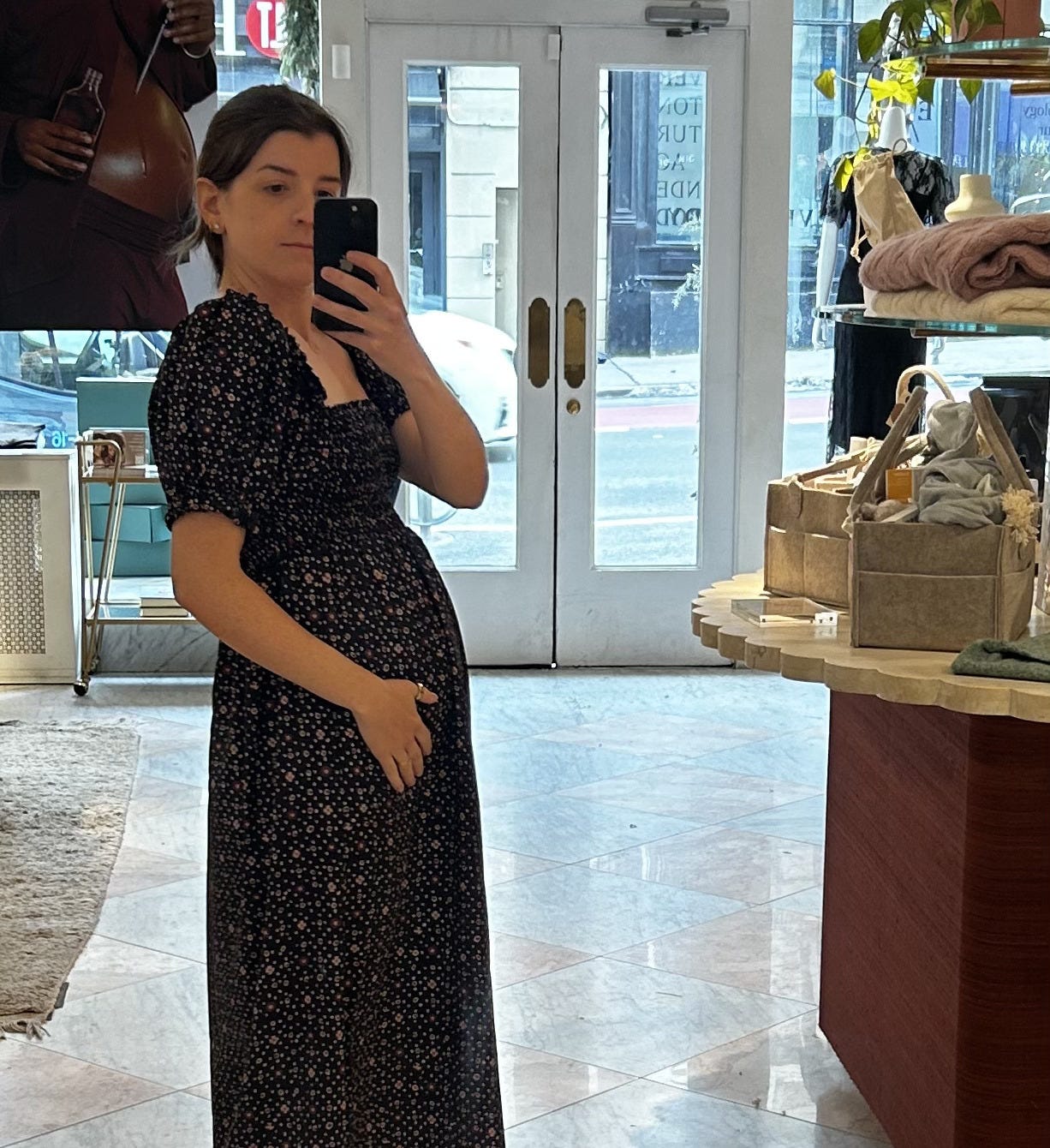
In the final quarter of 2025, even more changes were on the way. To make more room for the baby, my husband and I decided to relocate from Crown Heights to Washington Heights. We got more than a few side-eyed looks from our Brooklyn cohort. Wouldn’t we miss the restaurants? What about our social lives?
Sure, I’ll miss living within walking distance of Gertrude’s pickle brine martini. But all that became fairly irrelevant when we realized that a) we could actually afford childcare and quality public schools up here and b) a mortgage here cost less than rent in Brooklyn. As the New York City mayoral election unfolded, the much-discussed affordability crisis had become more tangible than ever.
I share all this with you not because I want to turn Substack into my personal diary, but because I want to explain why I’ve gone somewhat quiet this year. I also know that my experiences—losing and searching for a job, experiencing family illness, poring over seemingly impossible budgets—are far from unique in this world. I hope that this boatload of life experience makes me a more thoughtful, informed, and empathetic reporter on topics from pronatalism to housing policy to AI.
I was born in 1991, making me a member of the largest “microgeneration” currently living. As we enter our “sandwich generation” era, many of us will find ourselves caring for ailing elders, saving up to buy homes, having babies, losing jobs and gaining them. These experiences—and the unique ways they are being shaped by technology, political changes, and other historic shifts—will in turn transform the economy and the world, as Jeanna Smialek brilliantly pointed out last year in the New York Times. (My friend Anna Silman also penned an excellent opinion piece about this phenomenon more recently.)
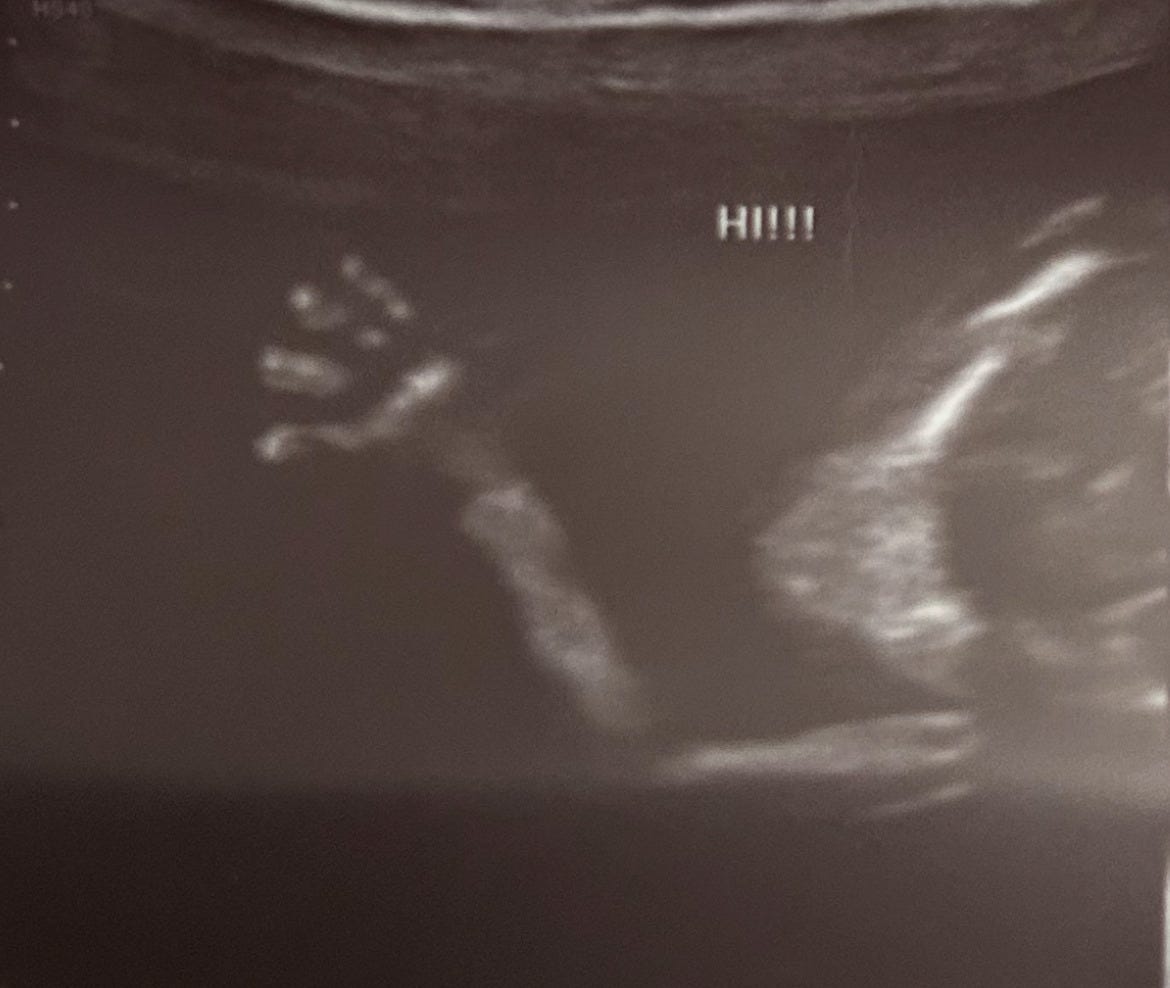
Fortunately, I get to end both this year and this newsletter on a high note. We are incredibly fortunate that our loved one is still with us and responding well to treatment. My small surgery went fine, and even though healthcare costs kicked our asses this year, at least we have it. My morning sickness has tapered off, and we are incredibly excited to welcome a baby boy in May. We love our new apartment, and I will gladly talk your ear off about why Upper Manhattan is the new place to be.
Which brings me to my final piece of Big Life News for 2025: I got a new job as a tech correspondent at Vanity Fair! In the new year, I will launch a newsletter at VF that will be a bit more voicey than my previous work—another reason to practice here on Substack. I’ll cover the tech billionaires, the ever-growing economic and cultural shifts caused by AI, and the bizarre subcultures and personalities that are increasingly defining our world.
I’ll keep you posted on how you can follow along when I get started. In the meantime, wishing you all much health and happiness in the new year.
My Favorite Things in 2025… 💫
MUSIC: Lux by Rosalía, which gave me hope that creativity is alive and well in the music industry.
FILM: Bugonia, which unfortunately has turned out to be just as underappreciated as I feared.
RESTAURANT: Saggio on 181st. Get the chicken parm.
JOURNALISM: Tough to say with so much great work out there, but some of my most-shared pieces included: Vanity Fair’s bombshell Susie Wiles report; this bonkers Silicon Valley surrogacy story; a New Yorker profile of the truly deranged woman whispering in Trump’s ear; a very upsetting peek at the young people saddling themselves with debt to pay for stupid things they don’t need.
GADGET: Brick, which is my only hope against iPhone addiction and is incidentally having a New Years Sale!
FICTION: A tie between Trust and In the Distance by Hernan Diaz.
NONFICTION: Empire of the Elite by Michael M. Grynbaum. (Had to brush up on my Condé lore!)
TV: Andor, the only thing that kept me going through my months of morning sickness misery.
CONSUMABLE: Covalle tomato water gin. (Full disclosure, this is my friend’s brand. But genuinely: Everyone I have introduced this to is obsessed.)
Thank you for writing this! I was also laid off from my tech journalism job this year (the title ceased publication) and it was reassuring to read about how you handled the shift while dealing with life changes at the same time. Congrats on the new gig, excited to read the new newsletter.
Julia, your former employer didn't deserve you, and Vanity Fair is so lucky to have you! Can't wait to read your articles there as well as your newsletter. Congrats on your pregnancy and the new home and so glad to hear your loved one with cancer is doing well. What a year!